Sustainability

Sustainability is embedded in how Kervale acquires, designs and delivers projects. We focus on reducing carbon emissions, improving building performance, conserving resources and creating healthier places for residents and communities.

Sustainability in numbers

4
6
9
Number of solar panels installed
Installed across Kervale projects to support cleaner, more efficient energy use.
1
3
7
,
8
7
5
K
W
Renewable energy capacity
Solar capacity designed to reduce reliance on traditional energy sources.
1
,
3
9
8
Trips around Australia
Equivalent to travelling around Australia’s Highway Route 1, approximately 14,500 km per lap, 1,398 times using an average electric vehicle.

**Based on average EV consumption.
8
0
,
0
0
0
L
Rainwater storage capacity
Water storage infrastructure supporting smarter water use across our projects.
8
8
5
,
0
0
0
L
Water saved annually
Estimated annual water savings achieved through rainwater storage and efficient systems.
1
1
,
0
7
5
Class 3 fire trucks saved over 25 years
Equivalent to 443 tankfuls of water saved annually.

Biodiversity & Landscape

Greenfleet: The Kervale Forest

Kervale supports ecological restoration, urban greening and protected native forests that help remove carbon emissions from the atmosphere.
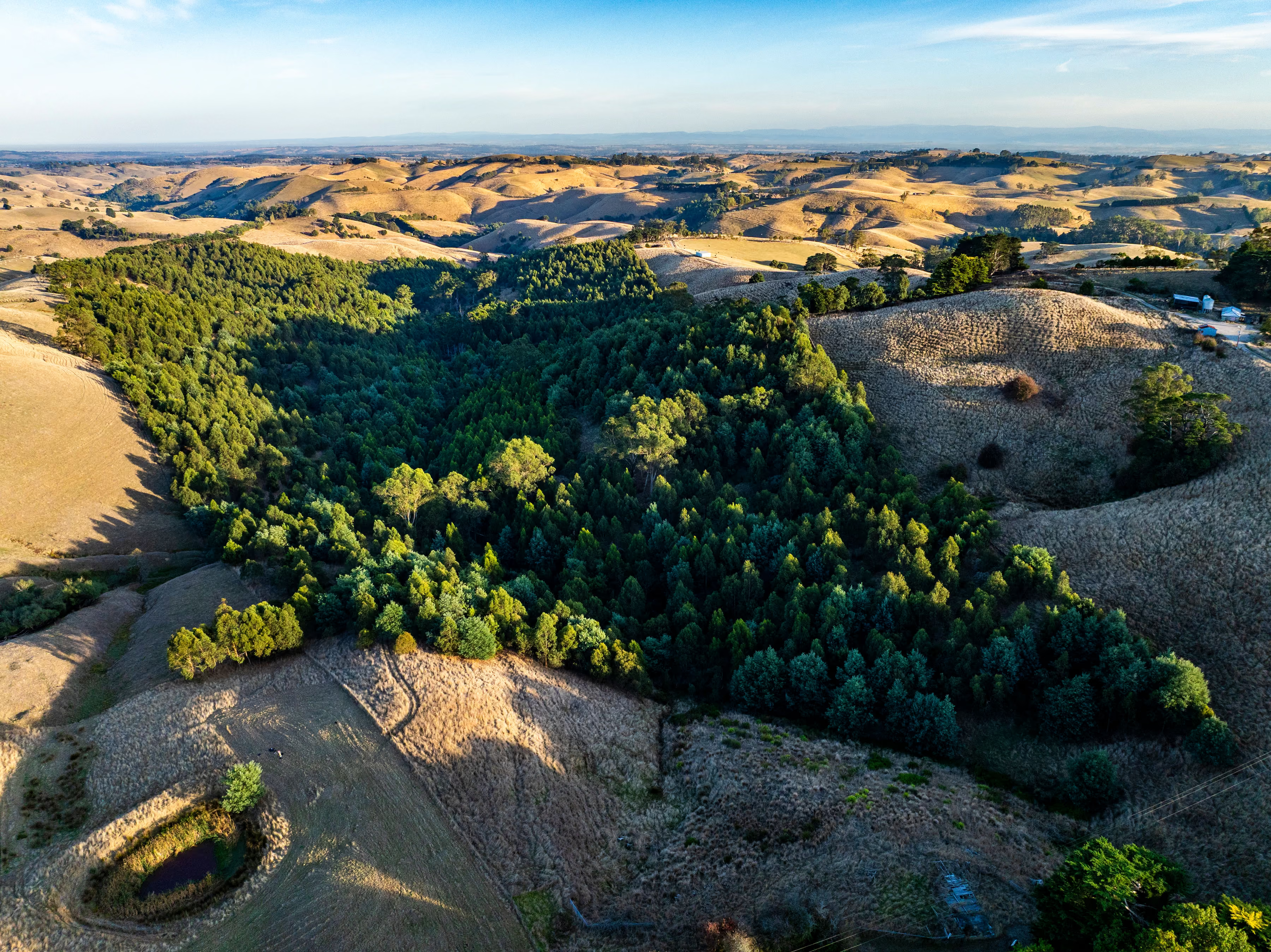
Aerial view of green forest surrounded by golden dry hills under a blue sky.
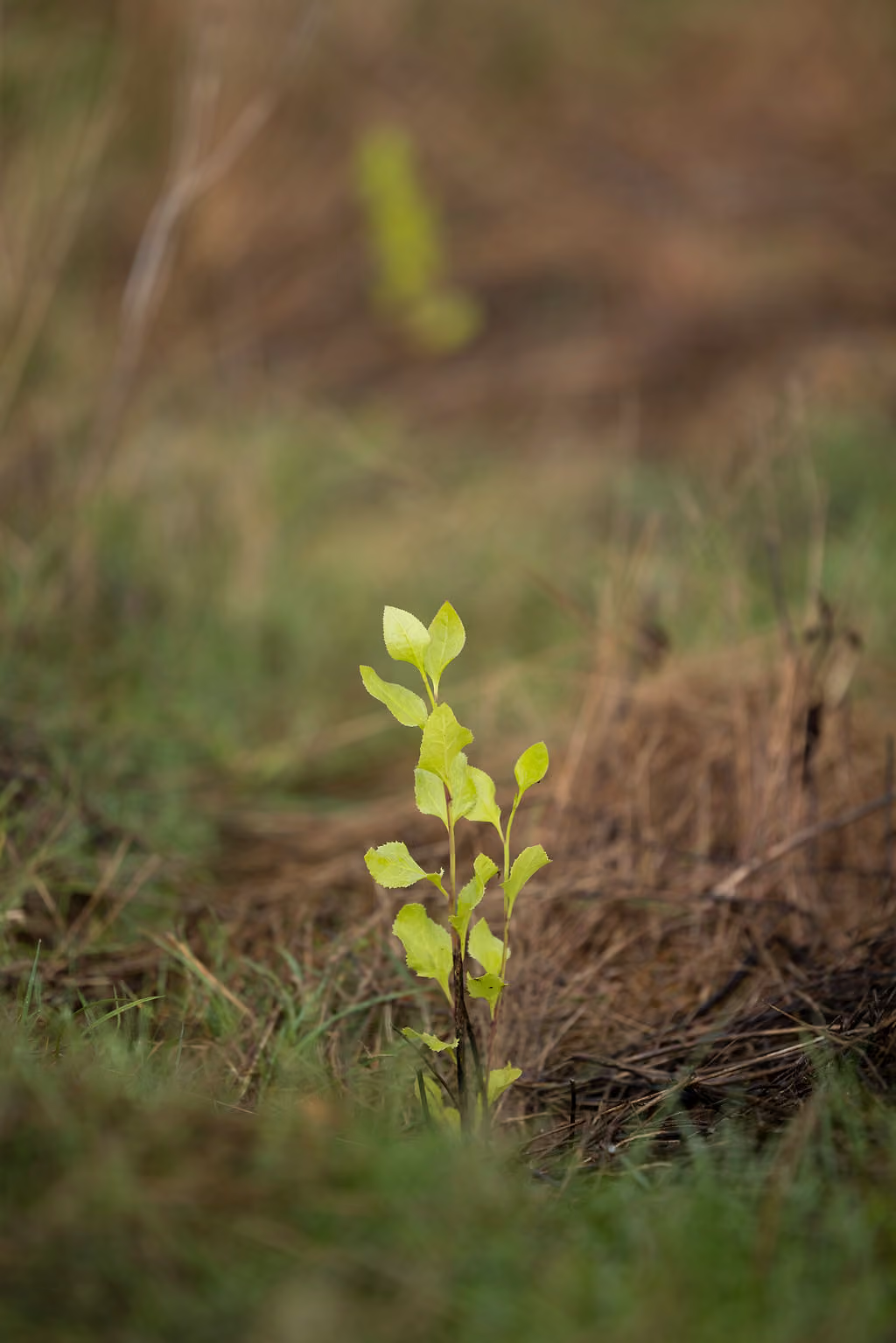
Small green plant sprouting from ground with blurred natural background.

We have donated $20,000 to Greenfleet, a not-for-profit organisation restoring native forests across Australia.

The Kervale Forest spans two hectares at Greenfleet’s Magpie Lane project in Victoria, supporting biodiversity, native habitat and long-term environmental regeneration.

Sustainability highlights
Kervale is committed to ongoing innovation, learning and evaluation, continually seeking better ways to reduce environmental impact and improve outcomes for the communities where we work.

Kervale is currently working toward Climate Active accreditation as part of our commitment to becoming a carbon neutral company. This process supports our broader focus on measuring, reducing and responsibly offsetting emissions across our business and projects.

Continuous Improvement
close

We prioritise connected, walkable locations and infrastructure that supports lower-emission transport choices.

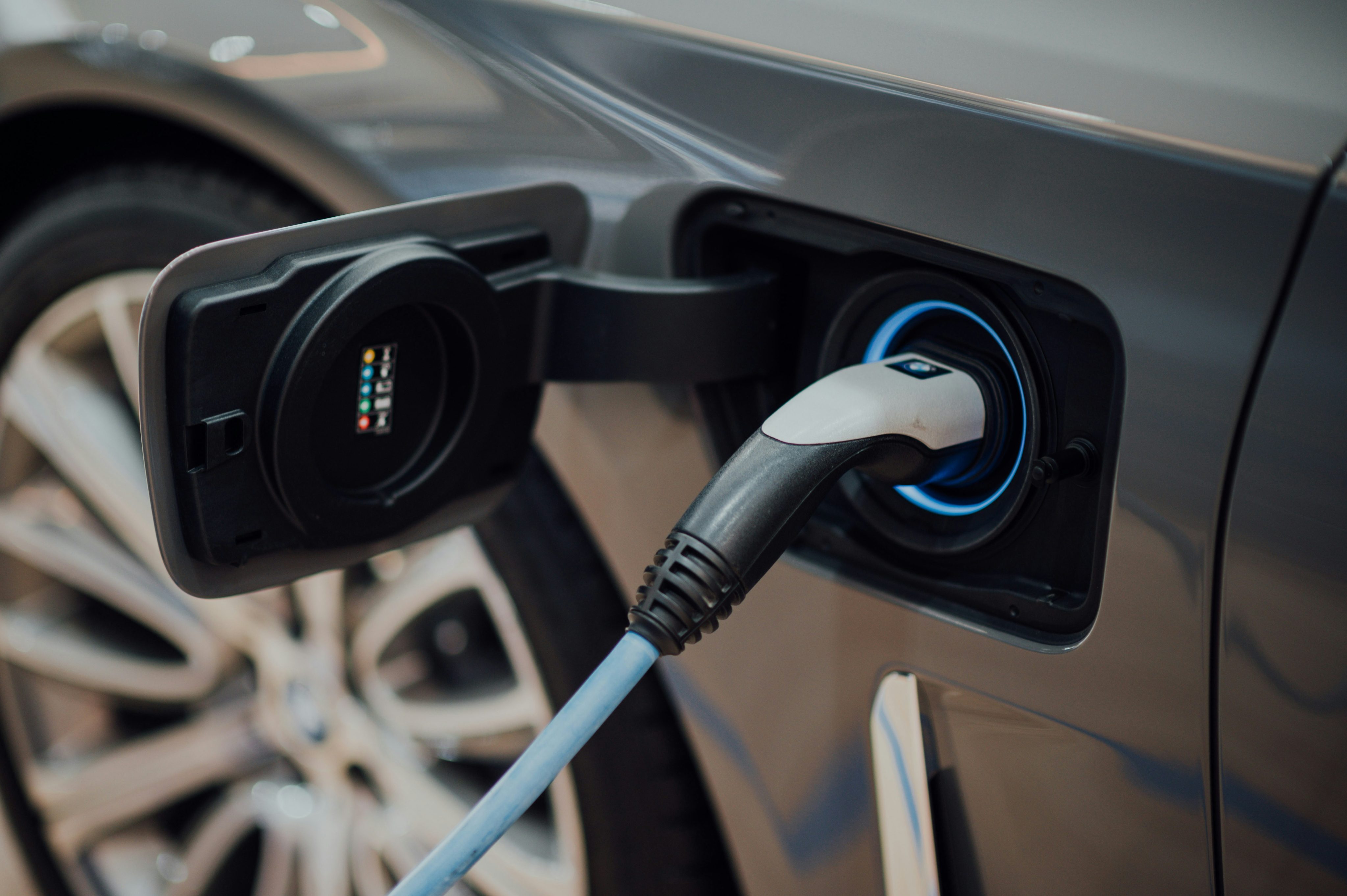
  • Electric vehicle charging infrastructure
  • Future-ready EV battery capability
  • Secure bicycle storage
  • Walkable locations with strong public transport access
  • EV share-car opportunities within mixed-use and multi-residential developments
Sustainable Transport & Connectivity
close

Responsible water use is considered across our projects through efficient systems, storage and fittings.

  • Recycled water systems and greywater use. 
  • Rainwater storage exceeding minimum requirements
  • Efficient irrigation strategies
  • Low-water-use fixtures and fittings
Water Management
close

Where possible, we upgrade and reposition existing assets to reduce embodied carbon and extend building life.

  • Acquisition and repositioning of underperforming buildings into premium assets
  • Material upcycling during demolition to minimise landfill
  • Reinventing spaces to deliver above-standard NatHERS ratings benefiting both the environment and our tenant partners. 
Adaptive Reuse
close

Our spaces are designed to improve comfort, efficiency and long-term performance.

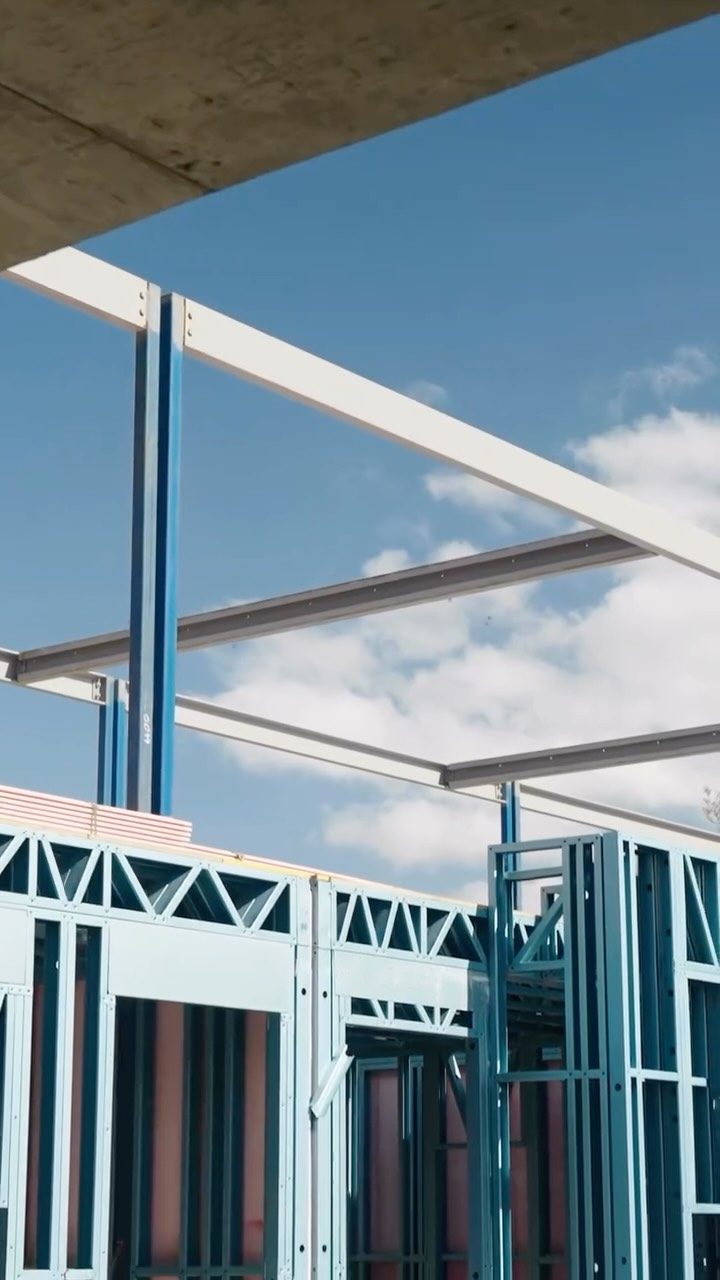
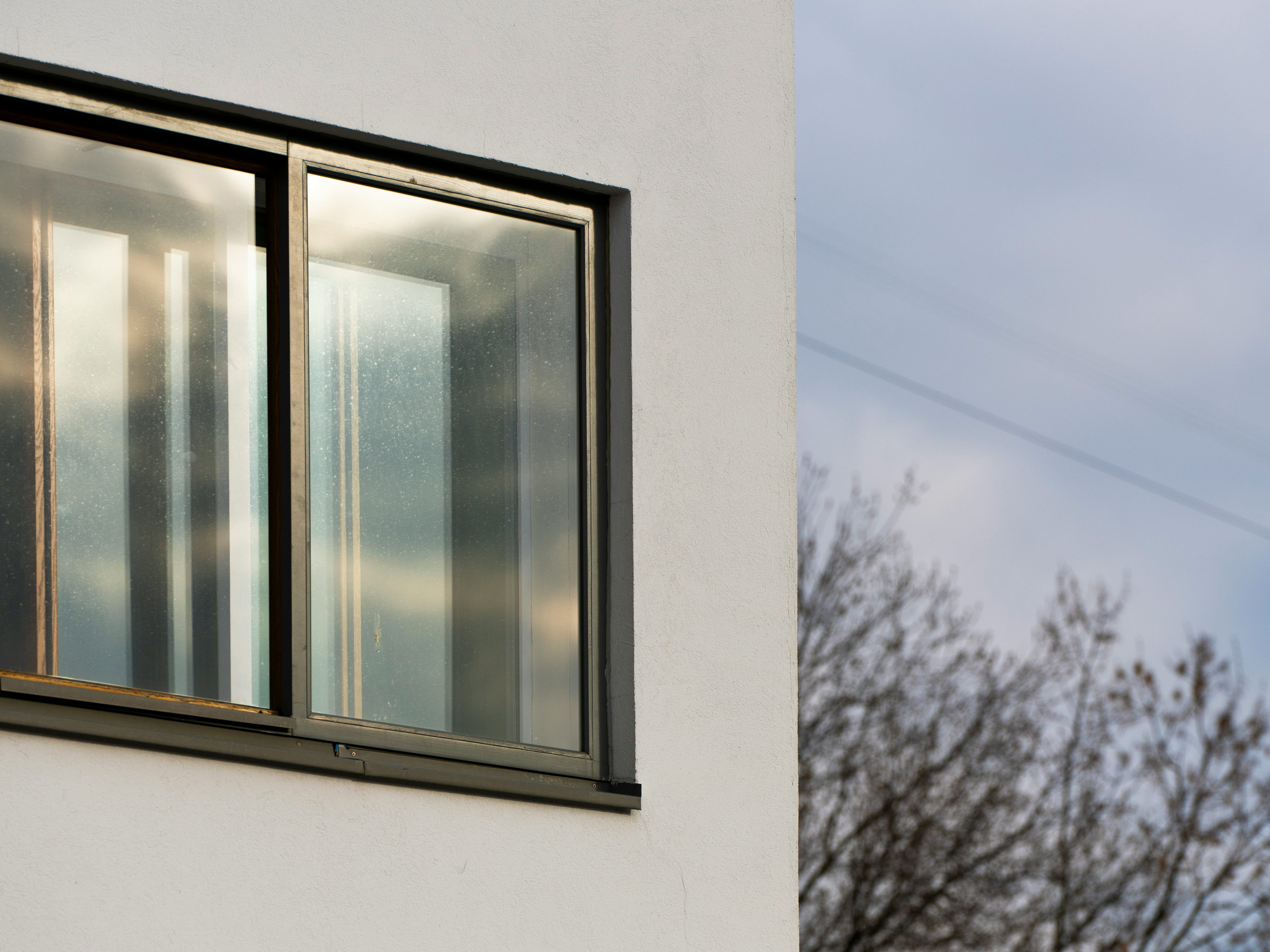
  • Double glazing to improve thermal performance and reduce energy consumption
  • Under-slab insulation to stabilise internal temperatures
  • Installation of solar panels on our projects. 
  • Maximising natural light to reduce reliance on artificial lighting
  • Cross-ventilation through considered glazing placement
  • High-performance building envelopes for long-term efficiency
Energy Efficiency & Building Performance
close

We reduce operational and embodied carbon through smarter design, material selection and future-ready systems.

  • Transitioning developments from gas to all-electric systems ahead of government requirements
  • Installing solar infrastructure and future battery storage readiness
  • Designing country properties to offset carbon emissions
  • Reducing lifecycle carbon through thoughtful material selection and building performance
Low-Carbon Development
close

Project highlights

Mount Street, Prahran
Sustainability Initiatives

- Oversized water tanks

- EV chargers

- Solar panels

Little Rose, Brighton
Sustainability Initiatives

- Solar panels to roof
- Average of 7 star NatHErS ratings to townhones
- Recycled and upcycled materials during demolition
- All electric, no gas.
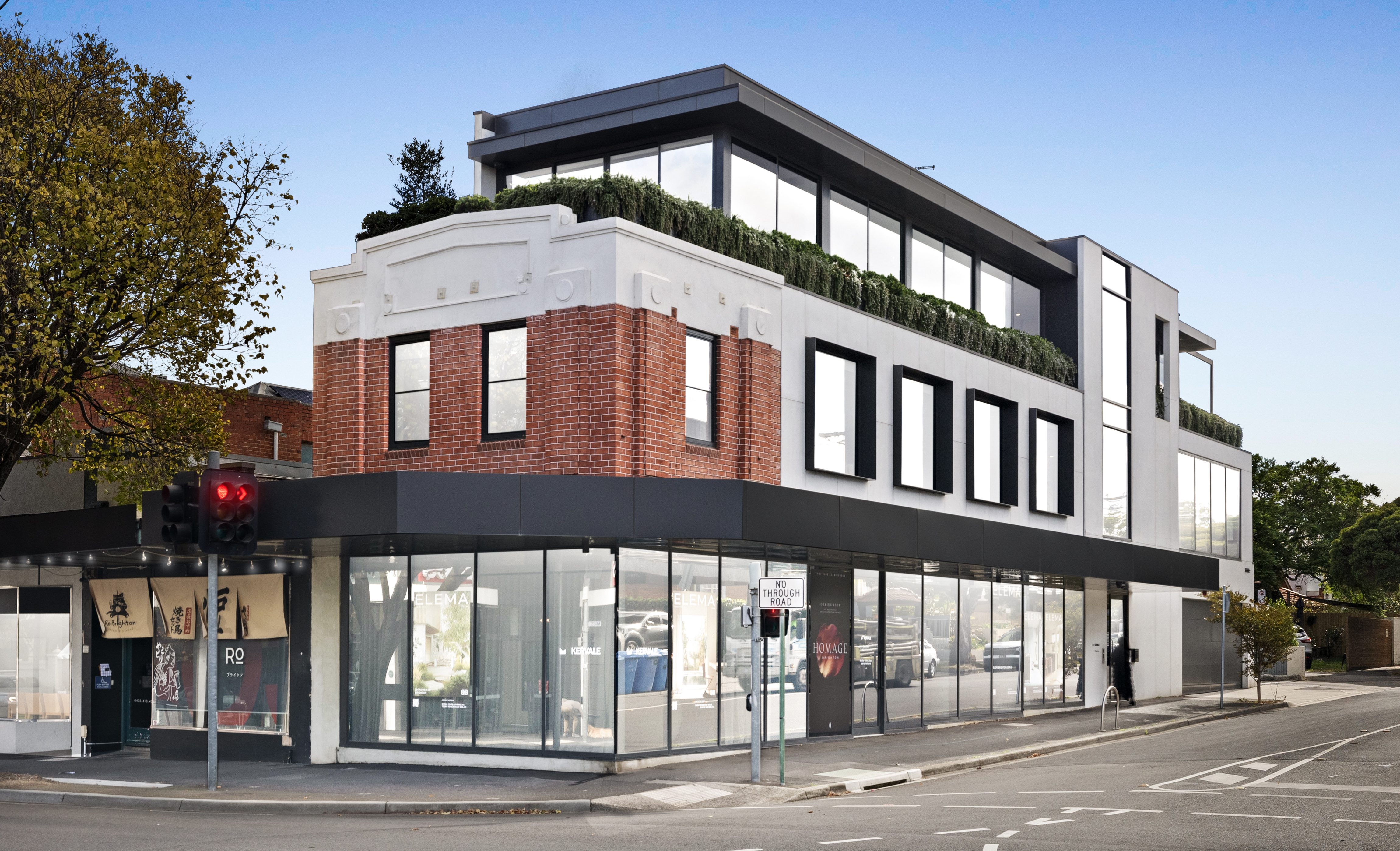
415 Bay Street, Brighton
Sustainability Initiatives

- EV chargers
- Solar panels
- End-of-trip amenities.

Modern house with large glass windows surrounded by lush green trees and bushes under a clear sky.

Get in touch with Kervale to discuss any sales, leasing, collaboration or investment opportunities.

Your submission has been received and one of our team will be in touch shortly.
Back to home
Something went wrong while submitting the form. Please try again.